Loading...
Serving Berkeley, CA and surrounding areas. (341) 348-0119
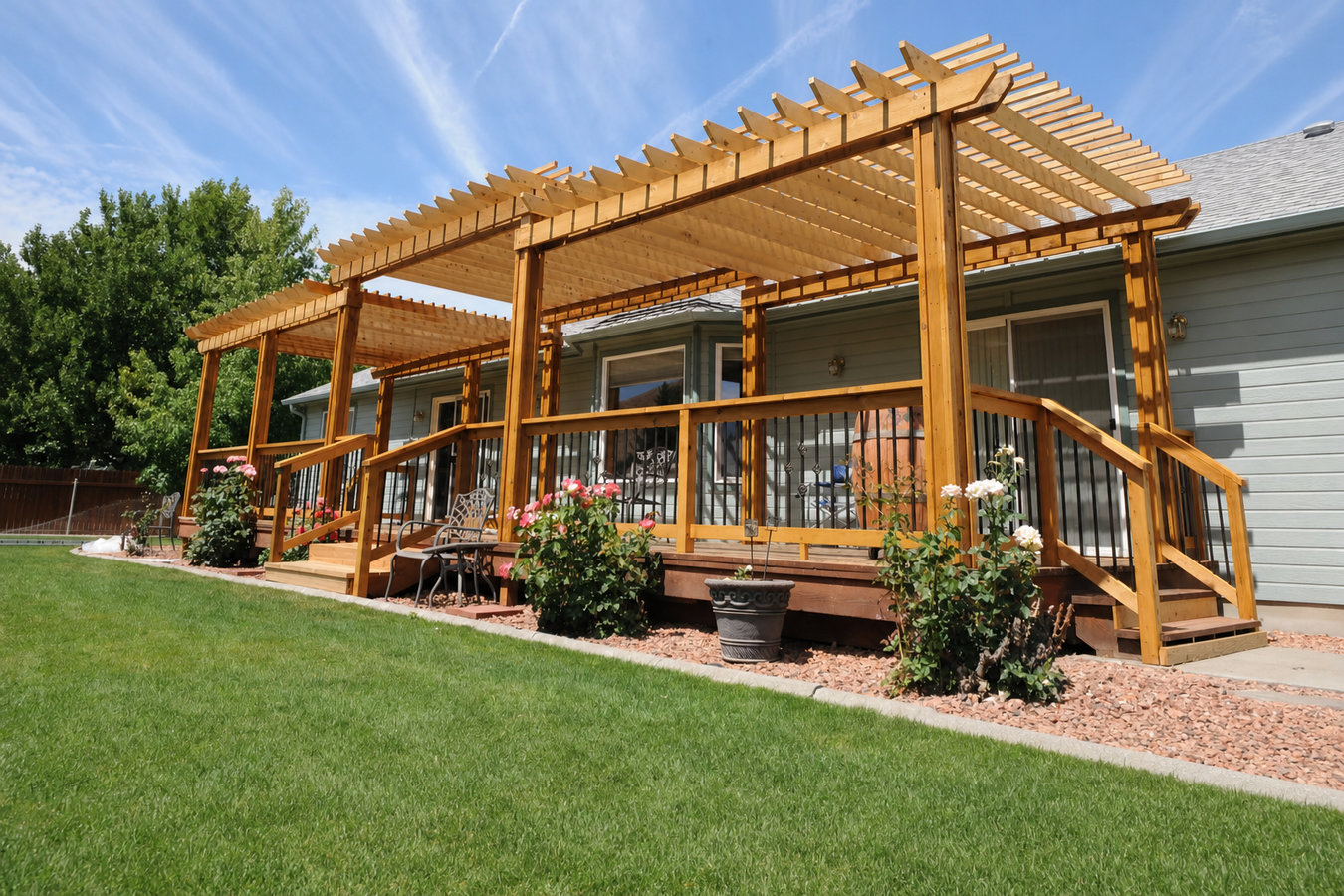
Berkeley's rainy season runs November through March - four to five months when an uncovered patio sits empty. A properly built covered structure turns that dead space into a room you actually use, year-round.
Berkeley's rainy season runs November through March - four to five months when an uncovered patio sits empty. A properly built covered structure turns that dead space into a room you actually use, year-round.
A covered deck or patio cover is a permanent or semi-permanent roof-like structure built over an outdoor living area - attached to your house or freestanding, solid or open-lattice depending on how much shade and weather protection you want. Most projects take one to three weeks of construction once permits are approved, with the City of Berkeley permit process adding several weeks to the overall timeline.
Berkeley gets most of its rain between November and March, and that wet season is exactly when an uncovered patio becomes unusable. A solid patio cover extends your outdoor living season by months - letting you sit outside even on drizzly evenings. If you want to go a step further and screen the space as well, our screened-in porches and screened decks service pairs naturally with a covered structure for full weather and insect protection.
Berkeley's hills neighborhoods sit within wildfire risk zones where roofing materials need to meet fire-resistance requirements. We check which zone your property falls in before finalizing any design, so you are not choosing materials that create insurance or code compliance problems later.
If you look out at your backyard between November and March and almost never use it, a covered structure would change how you live in your home. Berkeley's rainy season is long enough that an uncovered patio effectively disappears for four to five months a year. A covered deck or patio cover turns that dead space into a room you actually use.
If your patio furniture, wood decking, or outdoor rugs are showing signs of weather damage - cracking, fading, warping, or mildew - your outdoor space is taking a beating from the elements. A covered structure dramatically reduces that wear and tear. This is especially common in Berkeley's hills, where morning fog and afternoon sun create a cycle that's hard on outdoor materials.
Many Berkeley homeowners have outdoor areas that feel like wasted square footage because they're only comfortable in summer. If you've been thinking about creating a real outdoor living room - a place to eat, work, or relax outside - a covered structure is the foundation that makes that possible without a full interior addition.
If you have an older structure and notice the roof sagging, posts that feel soft at the base, or gaps opening up where the cover meets your house wall, the structure is failing. Berkeley's older housing stock means many existing patio covers were built decades ago and are reaching the end of their useful life. A failing cover is a safety issue, not just an aesthetic one.
In Berkeley's competitive real estate market, a well-built covered outdoor space is a genuine selling point. Buyers notice outdoor living areas, and a covered deck signals that the home has been thoughtfully maintained and improved. A covered outdoor room can change how the whole property shows.
We handle the full scope of covered patio projects - from permit application through concrete footings, framing, roof installation, and the city inspection. Every project includes posts anchored securely in concrete, a roof that sheds water away from your house, and materials chosen to match your fire hazard zone if you are in the Berkeley hills. For homeowners who also want an open overhead structure in the yard, our pergola installation service is a natural complement - a pergola defines outdoor space without the full enclosure a patio cover provides.
We also handle fence removal and disposal of old materials, property line consultation, and coordination with the City of Berkeley building department for permit applications. You don't have to navigate any of that on your own.
Roof structures that connect directly to your home - the most common configuration for Berkeley backyards.
Self-supporting structures set on their own posts for areas where attaching to the house isn't practical or preferred.
Full roof panels that block rain and direct sun completely - the right choice for year-round use in Berkeley's wet winters.
Open-lattice structures that filter light and provide partial shade - good for summer comfort without the cost of a full roof.
Clear or tinted panels that let natural light through while keeping rain out - a popular middle ground between solid and open-lattice.
Material selection and installation that meets the requirements for properties in Berkeley's wildfire risk zones - verified before any design is finalized.
Berkeley's Building and Safety Division reviews permit applications carefully, and approval for a covered patio structure can take several weeks to a couple of months depending on project complexity and current workload. That is not unusual for the Bay Area, but it does mean you should start the process earlier than you might expect - especially if you want the cover done before summer. We submit the permit application and follow up with the city on your behalf. Homeowners in Richmond and Emeryville face similar local permit requirements, and we work in both cities regularly.
The hills neighborhoods of Berkeley - Claremont, Panoramic Hill, and the Elmwood hills - sit in wildfire risk zones where roofing materials may need to meet additional fire-resistance requirements. This affects which materials are available and can add to project cost. A large share of Berkeley's homes were built before 1950, and attaching a patio cover to an older home requires careful inspection of the wall where the cover will connect. We check for non-standard framing, stucco exteriors, and older wall construction before finalizing any design - if the existing structure needs reinforcement, you know about it upfront.
We ask a few basic questions - the size of your space, whether you want the cover attached to your house or freestanding, and roughly what you're hoping to spend. This first conversation is low-pressure - it's just about figuring out whether the project is a good fit before anyone visits your home.
We come to your home, measure the space, and look at the wall or area where the cover will attach. We discuss your options - roof style, materials, whether you want lighting - and give you a written estimate. We also tell you upfront whether your project requires a permit and what that process looks like, including fire hazard zone implications if you are in the hills.
Once you've agreed on a design and signed a contract, we submit the permit application to the City of Berkeley on your behalf. Approval can take a few weeks to a couple of months depending on the project and current city workload - this is often the longest waiting period in the whole process. We keep you updated throughout.
Once the permit is approved, the crew starts work. The first day usually involves setting the posts - digging holes and pouring concrete footings that anchor the structure to the ground. The framing goes up over the next few days, followed by the roof. Most projects are fully framed within a week; finishing details like trim and paint can take a few more days.
Before the project is considered complete, a city inspector visits to check that the structure was built according to the approved plans. We schedule this inspection and are present for it. Once passed, we walk you through the finished structure, point out any maintenance steps you should know about, and make sure you're happy with everything before we leave the job site.
Free on-site estimate. We handle the permit, fire zone compliance, and city inspection. No guesswork on cost or timeline.
(341) 348-0119Parts of the Berkeley hills sit within wildfire risk zones where roofing materials need to meet specific fire-resistance requirements. We check your property's zone status before we quote materials - so you don't choose a roofing option that creates insurance or code problems later.
Berkeley's pre-1950 housing stock often has non-standard framing, stucco walls, or older construction that needs extra attention when a new structure is being attached. We inspect the connection wall before finalizing the design, so the attachment is solid and doesn't compromise your home's existing structure.
Berkeley's Building and Safety Division reviews patio cover permits carefully, and the approval process takes time. We submit the application, follow up with the city, and are present at the inspection - you don't track any paperwork or visit any offices. Your project doesn't start until everything is approved.
Your estimate spells out materials, labor, permit fees, and the payment schedule before we pick up a tool. If something changes during the project, you hear about it before it happens - not after. Berkeley homeowners have told us that cost surprises mid-project are among the most common complaints they have heard from neighbors about other contractors.
Every covered patio we build is permitted through the city correctly, set on post footings anchored in concrete, and built with materials chosen for your specific fire zone and microclimate. That is not a slogan - it is what separates a covered structure that lasts decades from one that sags, leaks, or creates a problem on your disclosure documents when you sell.
Add screen walls to your covered structure for full insect and debris protection while keeping the outdoor feel.
Learn MoreAn open-beam pergola provides shade and structure without full roof coverage - a lighter alternative to a solid patio cover.
Learn MorePermit queues fill up in spring - call now to start your application early and have your covered space ready before summer.